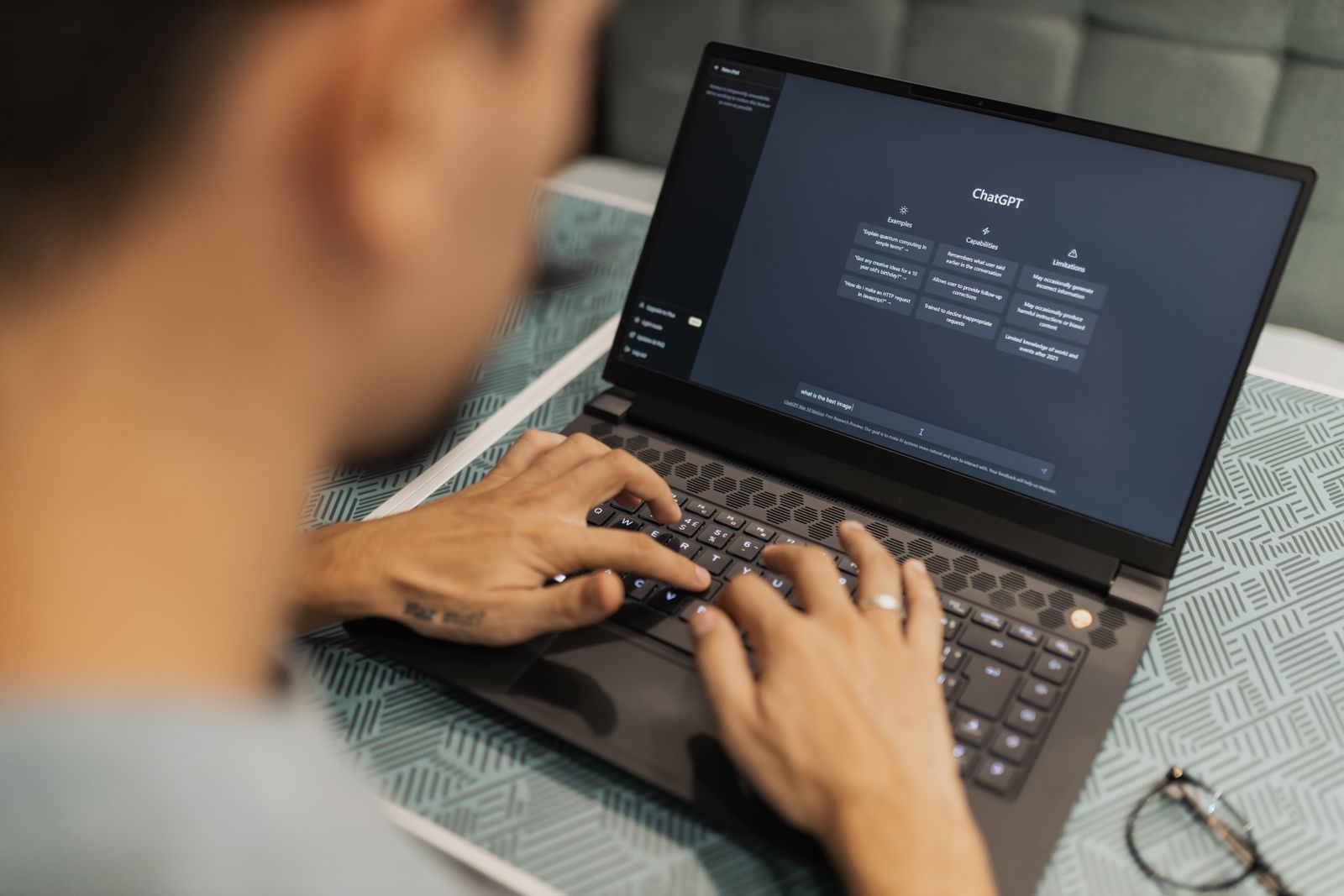


Answer engine optimization (AEO) is the practice of structuring your content so AI systems like ChatGPT, Perplexity and Google AI Overviews quote and cite it when answering buyer questions. It builds on SEO: direct answers under clear headers, schema markup, named authors, original data, and regular updates.
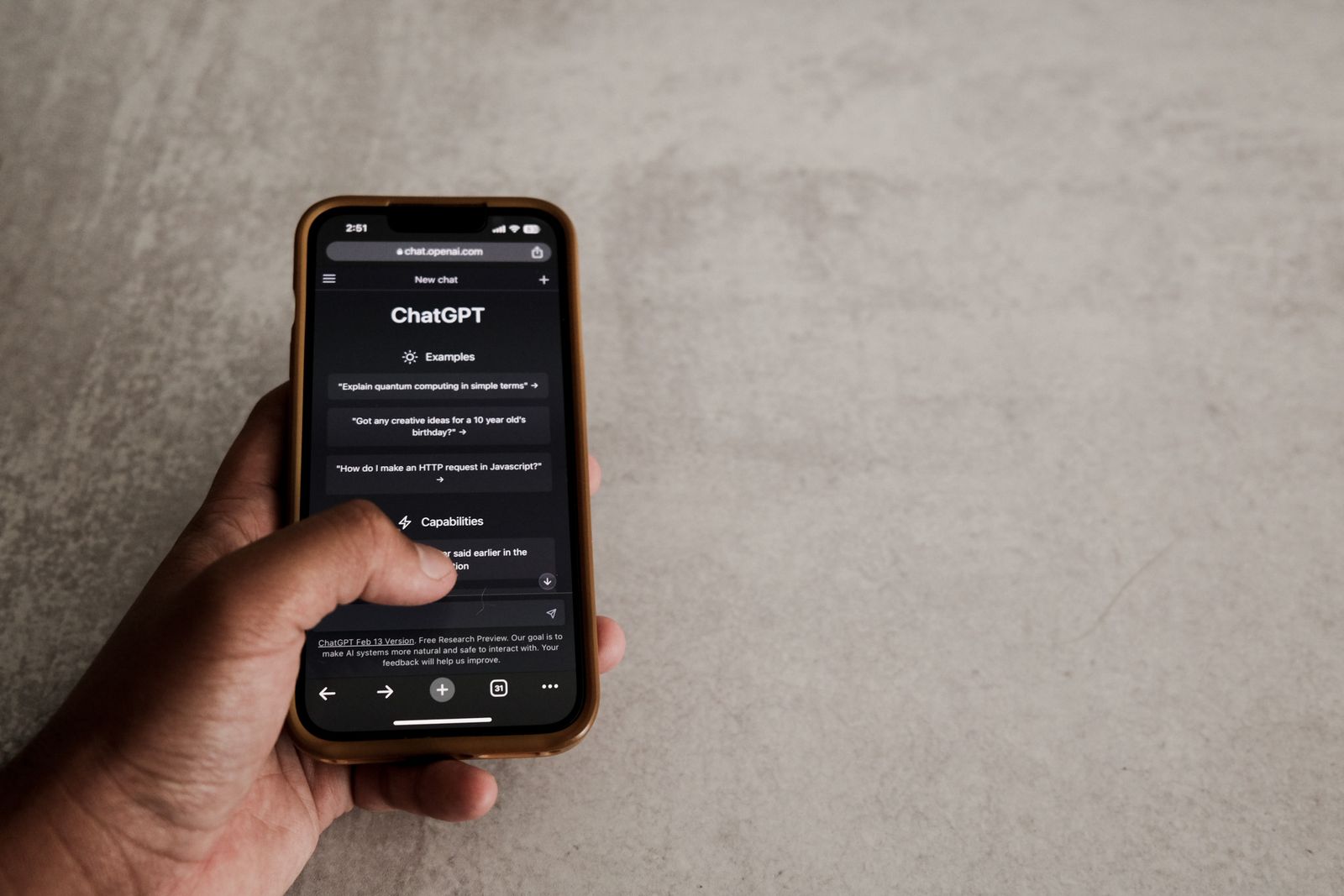
What Is Answer Engine Optimization? Getting Cited by ChatGPT and Google AI
Ask ChatGPT to recommend an interior designer in Hyderabad and it names 3 or 4 firms, sometimes with links. Ask Google a question and an AI Overview answers it before the first blue link. In both cases, a handful of websites got picked as sources. Everyone else got skipped.
Answer engine optimization (AEO) is the work of becoming one of the picked. And it matters now because AI answers sit in front of a growing share of searches: Conductor’s analysis of 21.9 million queries found Google AI Overviews on roughly 25% of searches by early 2026, and some US trackers put the figure between 48% and 60%.
For an Indian business, that means a chunk of your buyers now get answers without visiting anyone’s site. The ones who do click, click on cited sources. Here’s how to become one.
What answer engine optimization actually means
AEO is making your pages the ones AI systems retrieve, quote, and link when they answer a question. The answer engines worth caring about in India right now: Google AI Overviews and AI Mode, ChatGPT with search, Perplexity, Gemini, and Meta AI inside WhatsApp.
Under the hood they do something similar. Take the question, run searches against a web index, pull the top pages, extract the passages that answer directly, then write a response with citations.
Which means your job splits in 2: rank well enough to get retrieved (classic SEO), and write in a way that makes your passage the easiest one to quote (the new part).
How AEO differs from the SEO you already know
| Classic SEO | AEO | |
|---|---|---|
| Unit that competes | The whole page | A single passage or paragraph |
| Query it targets | Short keywords (“CRM software price”) | Full questions (“which CRM suits a 5-person clinic?”) |
| Win condition | Rank in the top 10 | Get quoted or cited in the answer |
| Measured with | Rankings, organic clicks | Citation checks, AI referral traffic |
The overlap is bigger than the difference. Pages that get cited are almost always pages that also rank somewhere in the top 20. If your SEO basics are weak, fix those first. AEO on an unindexed site is decoration.
The 6-step playbook
1. Collect 20 real buyer questions. Pull them from WhatsApp chats, sales calls, and the query report in Search Console. You want the questions people ask in full sentences, in their own words, including the Hinglish ones.
2. Answer each question in the first 60 words. Put the question (or something close to it) in a header, then answer immediately: plainly, with a number or a name where possible. Expand below with detail. AI systems quote passages, and a tight passage right under a matching header is the easiest thing to lift.
3. Add structure machines can parse. Tables for comparisons, numbered steps for processes, an FAQ block at the end. Then schema markup: FAQPage, Article with a named author, Organization with your address. It’s plumbing, and it works quietly.
4. Make your business a recognizable entity. AI systems prefer sources they can identify. That means a consistent name and address everywhere, a real about page, author bios with credentials, a maintained LinkedIn, and directory listings that agree with each other. We audit sites where the footer, the Google Business Profile, and the about page give 3 different business names. Fix that first.
5. Publish something only you can publish. A pattern you’ve seen across 10 clients, a teardown of a real campaign (anonymised), a price comparison you compiled yourself. Answer engines cite pages that add facts to the web. Generic “what is digital marketing” posts get skimmed and forgotten. This is where a real content plan earns its fee.
6. Update on a schedule. Citations skew towards recently updated pages. Set a quarterly reminder to refresh numbers, dates, and screenshots on your 10 most important pages.
How to check if it’s working
There’s no Search Console for ChatGPT yet, so measurement is manual but quick.
Once a month, ask your 20 questions in ChatGPT, Perplexity, and Gemini. Note who gets cited in a spreadsheet. 30 minutes, done.
In GA4, build a report for referral traffic from chatgpt.com, perplexity.ai, and gemini.google.com. The numbers will be small today, but the trend line tells you whether the work is landing.
Also watch Search Console for pages where impressions hold steady while clicks slide. That’s usually an AI Overview answering above you, and a signal that the page needs a tighter, more citable passage.
3 things to skip
Blocking AI crawlers by default. Some hosting panels and security plugins now block GPTBot and friends with 1 click. Block them and ChatGPT can’t read you, so it won’t cite you. Keep the blocks for content you specifically want kept out.
Tools that promise guaranteed citations. No tool controls what an AI system cites. Anyone selling certainty is selling a report, at best.
Rewriting your whole site. Start with the 10 pages closest to money: service pages, pricing explainers, comparison posts. AEO rewards depth on a few pages over shallow coverage across 50.
Where The Pixel Mark fits
We fold AEO into regular SEO and content retainers, so the same pages that rank also get structured to be quoted. Want a quick read on where you stand? Ask ChatGPT 5 questions your buyers ask and see who it cites. Then get in touch and we’ll map out the gap.
And for the wider picture on how AI is reshuffling search, our post on how AI is changing digital marketing covers the rest of the stack.