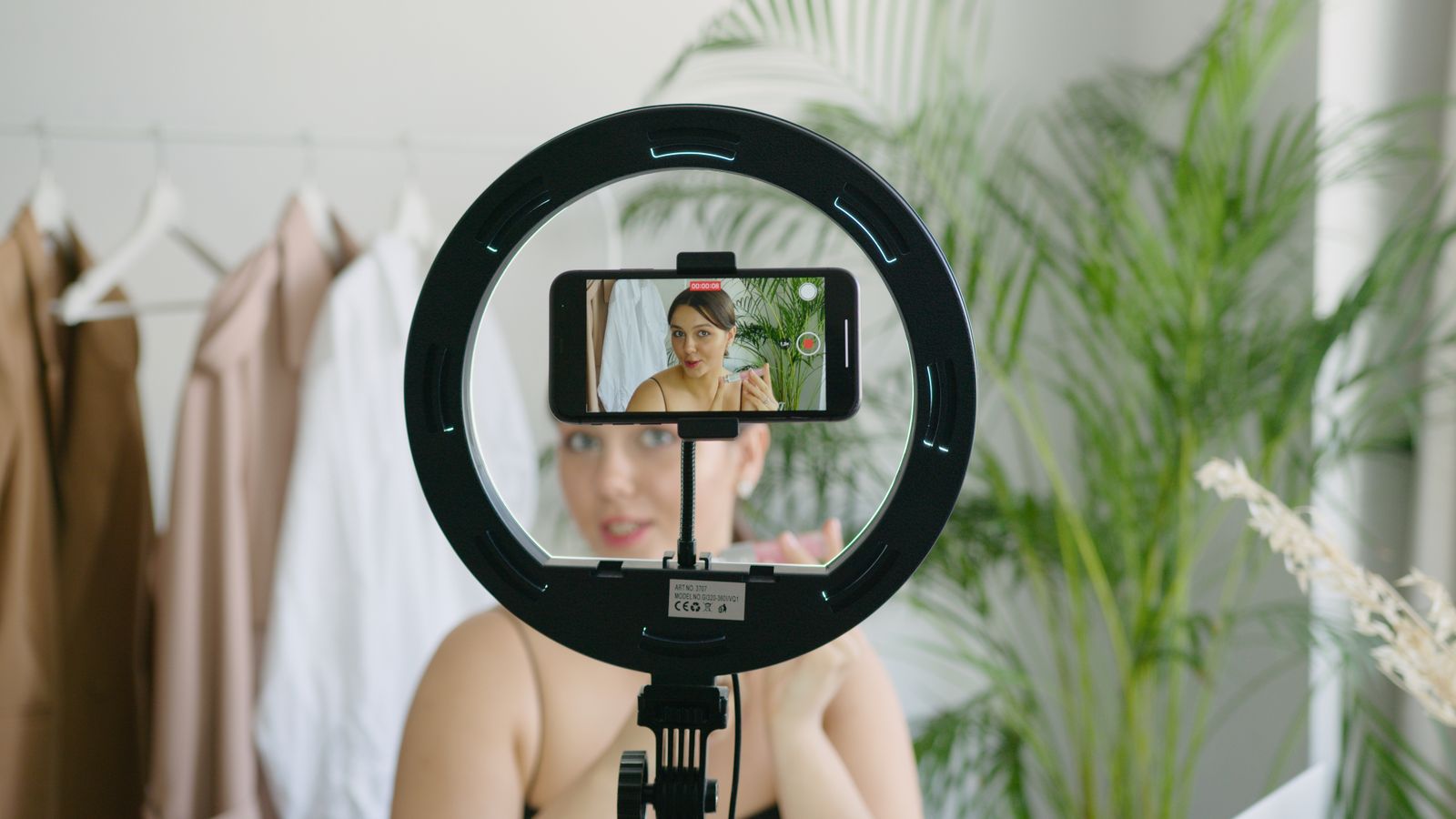

Shoot on your phone, spend first on a lapel mic and good light, and batch 8 to 10 short videos in one half-day session each fortnight. Post them as Reels and Shorts, hook viewers in the first 3 seconds, and judge results by watch time and enquiries.
Video Marketing on a Budget: Reels, Shorts and the 80/20 of Production
Every small business owner in India has heard the same advice by now: post more video. Then they price a videographer, hear a per-video quote with 5 digits, and quietly drop the idea.
Here’s what we keep finding in the accounts we audit: the businesses winning on Reels and Shorts are mostly shooting on phones. What separates them is a repeatable production system, a way to plan, shoot and post without losing a weekend every week.
That system is the 80/20 of video. A short list of things that produce most of the result (audio, hooks, batching, captions), and a long list you can safely ignore for now (camera upgrades, colour grading, studio sets). This guide covers video marketing for small business owners who have more sense than budget.
The 80/20, spelled out
| Worth your effort (the 20%) | Skip for now (the 80%) |
|---|---|
| Clear audio from a mic | A new camera |
| The first 3 seconds of every video | Cinematic colour grading |
| Captions on everything | Animated logo intros |
| Batching your shoots | Daily posting pressure |
| One consistent face or voice | A studio setup |
Viewers forgive average visuals and punish bad audio. And they decide within a second or two whether to keep watching, which makes your opening line worth more than everything that follows it.
Everything in the right column can come later, once video is clearly bringing you enquiries.
Gear: the whole list fits in one auto ride
A phone from the last 3 or 4 years already shoots better video than what most agencies used a decade ago. Build around it.
| Item | Why it matters | Ballpark spend |
|---|---|---|
| Wired lapel mic | The single biggest quality jump you can buy | Roughly Rs 500 to 1,500 |
| Small tripod with phone mount | Steady frame, hands free for demos | Roughly Rs 500 to 1,500 |
| Ring light or 1 softbox | For evening shoots; daylight is free | Roughly Rs 1,000 to 3,000 |
| Wireless mic kit (buy later) | For walking shots and factory floors | Roughly Rs 3,000 to 8,000 |
Prices move with sales and brands, so treat these as ballparks. Buy the mic first. A window with good daylight beats most ring lights anyway, and it costs nothing.
The batching system: 1 afternoon, 2 weeks of content
- Collect 8 to 10 real questions. Pull them from WhatsApp chats, sales calls and Google reviews. If customers keep asking it, it’s a video.
- Write 3 lines per video. Hook, answer, close. Stick to bullet points; a full script makes you sound like a newsreader.
- Block 3 hours. One location, decent light, 2 shirt changes so 10 videos don’t look like 1 long afternoon. (They were. Viewers shouldn’t feel it.)
- Shoot vertical, keep takes short. 9:16 format, 20 to 45 seconds each, 2 takes maximum per video. Take 3 is rarely better than take 2.
- Edit fast. CapCut or Instagram’s own editor: trim the opening hard, add auto captions, then fix them by hand. If editing eats your evenings, that’s the step worth handing off. Auto captions mangle Hindi-English sentences and Telugu names with equal confidence.
- Schedule 4 to 5 posts a week. Meta Business Suite and YouTube Studio both do this for free.
If scripting is where you stall, our content marketing team writes hooks and scripts in bulk, which turns shoot day into a reading day.
Hooks: the first 3 seconds do the heavy lifting
4 hook patterns that keep working for local businesses:
- The mistake. “3 pricing mistakes I see in every Hyderabad salon.”
- The number. “This costs us Rs 40 to make. Here’s why we sell it at Rs 260.”
- The result first. Show the finished cake, the renovated shop, the cleared skin. Explain the process afterwards.
- The insider answer. “What tailors check before quoting you a stitching price.”
Say the hook out loud before you shoot. If it sounds like a written caption, rewrite it until it sounds like something you’d say across the counter.
Reels, Shorts, or both
Both, since you shoot once and publish twice. They behave differently, though.
Instagram Reels reach your followers plus Explore. Best for local discovery, offers and anything visual. Strip the watermark before posting the same clip elsewhere; platforms downrank each other’s logos.
YouTube Shorts have a longer shelf life and surface in search. A Short answering “how much does interior design cost in Hyderabad” can keep pulling views for months after Reels have gone quiet.
WhatsApp Status is the quiet third channel. Your saved contacts already buy from you, and a weekly status video costs nothing extra to post.
Feeds are also getting more crowded. India’s digital ad spend grew 19% to Rs 71,621 crore in 2025, per the dentsu-e4m Digital Advertising Report 2026, and much of that money chases the same short-video feeds you’re posting into. Organic video is one of the few remaining ways to reach new people without paying per view.
Measure 3 numbers, ignore the rest
- Watch time. If people drop off in the first 3 seconds, the hook failed. If they drop mid-video, the pacing did. Both platforms show you the retention curve.
- Profile visits and follows per video. This tells you which topics earn a follow rather than a passing like. Make more of those.
- Enquiries. DMs, WhatsApp taps, calls. The only number that pays rent.
When 1 video clearly outruns the rest, put a small ad budget behind it. Boosting proven creative through Meta ads costs far less than paying to test guesses.
Give the whole thing 8 to 10 weeks before you judge it. Almost every account we’ve watched succeed looked dead quiet for the first month.
Where The Pixel Mark fits
We run this exact system for clients as part of our social media service: question mining, shoot-day direction, editing, captions and scheduling. When a video earns it, we scale it with paid.
If you’d rather run your business than colour-correct Reels on a Sunday, get in touch. We’ll review your last 10 videos, or help you plan your first 10, and tell you plainly what to change.