

Google Ads brings fewer, higher-intent leads because people are already searching for what you sell. Meta ads bring more leads at a lower cost each, but they need fast follow-up to convert. Pick Google when buyers search for your category, Meta when your product can stop a scrolling thumb.
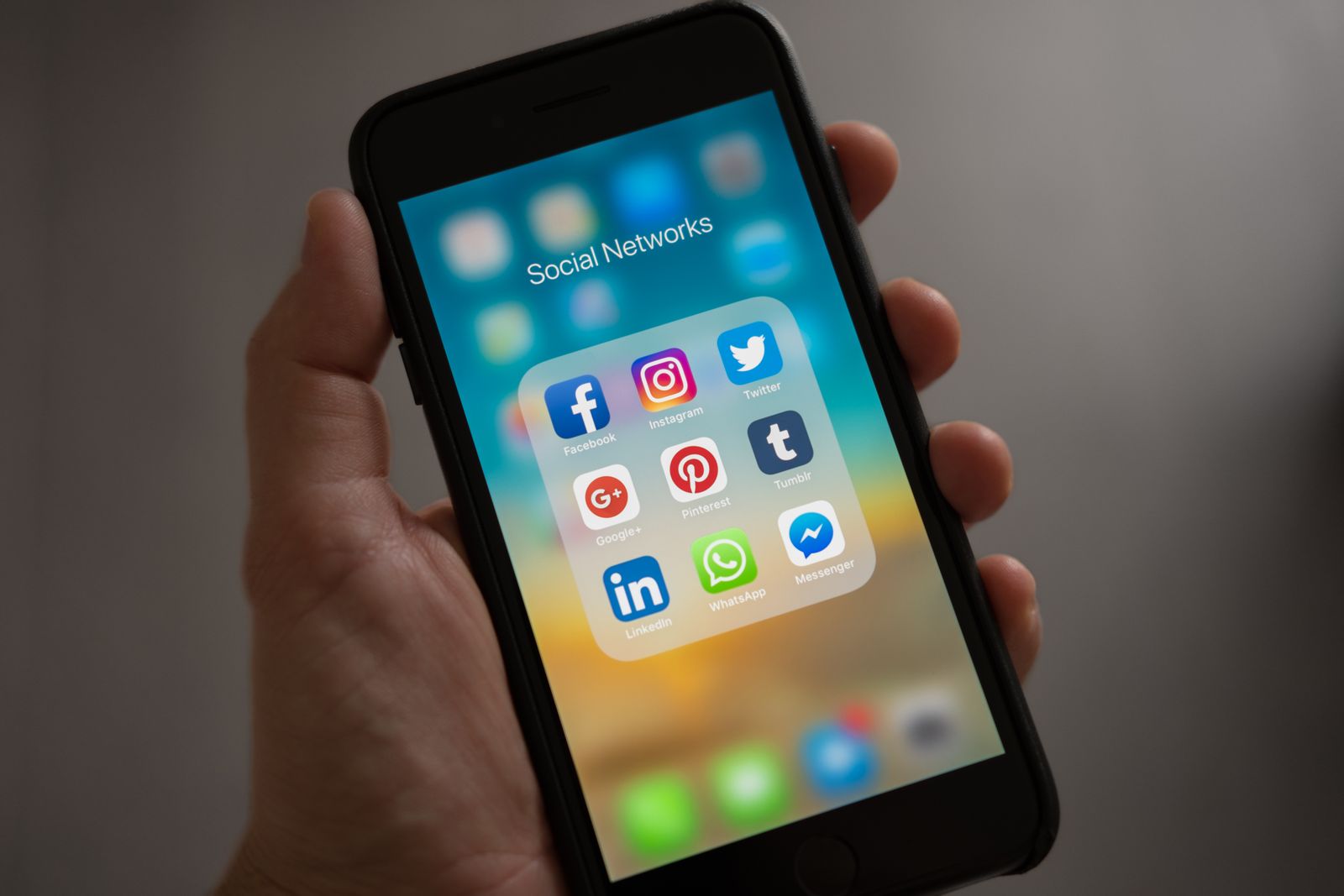
Meta Ads vs Google Ads: Which Brings Better Leads?
Ask 5 marketers where your ad budget should go and you’ll get a coin flip: Google or Meta. Both camps have screenshots to prove their case.
The 2 platforms find buyers in opposite ways, and that one difference decides everything about your leads: how many arrive and how much work your sales side inherits.
Here’s how we settle the question with clients, ending with a 2-question test you can run on your own business today.
The one difference that drives everything
Google Ads reaches people who are searching right now. Someone types “ca for company registration” or “interior designers in Kondapur” and your ad meets them mid-search, wallet half open.
Meta ads (Facebook and Instagram) reach people who weren’t looking for anything. They’re scrolling reels at 11pm, and your ad gets about 1 second to stop the thumb.
So Google captures demand that already exists, while Meta manufactures new demand. Every other difference (cost, creative burden, how fast leads close, how often they ghost) follows from that.
What that means for lead quality
| What you’ll notice | Google Ads leads | Meta ads leads |
|---|---|---|
| Buying intent | High; they searched for the thing | Mixed; real interest sits next to idle curiosity |
| Speed to close | Faster; many are already comparing vendors | Slower; expect several follow-ups |
| Volume at the same budget | Lower; intent clicks cost more | Higher; reach is cheap, forms are easy |
| Typical failure mode | Wrong keywords quietly eating budget | Piles of leads who never pick up the phone |
Both platforms produce real leads. They produce different leads. A Google lead often arrives comparing 3 vendors and ready to talk price. A Meta lead often arrives half-curious and needs 4 touches before a decision.
Which is “better” depends on your sales process. If someone calls new leads fast and follows up on schedule, Meta’s volume converts. If enquiries sit in an inbox till Tuesday, only high-intent Google leads survive that treatment.
Match the platform to how people buy from you
Google Ads usually deserves the first rupee when:
- People search for what you sell: repairs, clinics, CA and legal services, B2B suppliers, coaching centres
- The ticket size is high and the need is urgent
- You’d rather have 10 serious enquiries than 60 mixed ones
Meta usually deserves it when:
- Your category has little search volume yet: new D2C products, gifting, niche fashion, event services
- The product photographs or films well: food, interiors, apparel, property walkthroughs
- The price point allows quick decisions
- You have a sales team or WhatsApp funnel that can chew through volume
Plenty of businesses sit in both columns. A dental clinic gets searched for, and it also has strong before-after visuals. For those, the split comes down to maths: cost per patient from each channel, tracked for 90 days.
The cost picture, without made-up numbers
Anyone quoting you an exact cost per lead before seeing your account is guessing. The shape of the costs, though, is predictable.
Google clicks in competitive Indian categories (real estate, education, healthcare, insurance) cost several times what a Meta click does, because you’re bidding on declared intent. We’ve broken down typical click prices in our guide to Google Ads costs in India.
Meta’s cost per lead usually looks flattering next to that. The catch shows up 2 weeks later, when you count how many of those cheap leads answered the phone. Judge both platforms on cost per qualified lead; a cheap form fill that never picks up costs you infinity.
And prices on both keep climbing. India’s digital ad spend grew 19% to Rs 71,621 crore in 2025, per the dentsu-e4m Digital Advertising Report 2026, and most of that money bids in the same auctions you do.
Why Meta leads ghost you (and the fixes)
Meta’s instant forms autofill name and phone number. People submit in 2 taps, sometimes without quite registering that they did. The next day your telecaller rings a stranger who doesn’t remember the ad.
The fixes are boring and they work:
- Add 1 question the form can’t autofill (“What’s your budget range?”). Volume drops, quality jumps.
- Call within 5 minutes, or at least within the hour. A Tuesday lead called on Friday is a cold call.
- Move the conversation to WhatsApp. People reply to a chat far more readily than to an unknown number.
- Send clicks to a landing page with a proper form when quality matters more than volume. The extra friction filters for you.
The 2-question test
Question 1: would someone with the problem you solve type it into Google? If yes, Google Ads goes first. Searched demand is the cheapest kind to convert, and the search terms report will teach you your buyers’ exact vocabulary.
Question 2: would a stranger stop scrolling for a photo or 15-second video of what you sell? If yes, Meta can build a pipeline that search alone never will, because most of your future customers haven’t started searching.
Yes to both: let ticket size decide. High ticket and urgent leans Google first, with Meta retargeting behind it. Low ticket and visual leans Meta first.
No to both: hold the ad money. The problem is the offer or the website, and ads would only pay to show a weak page to more people.
When one platform feeds the other
The strongest accounts we audit run a loop. Google catches searchers and sends them to the site. Meta then retargets everyone who visited without enquiring, at a fraction of the original click cost. Lookalike audiences built from actual customers make the cold targeting smarter each quarter.
That loop needs enough budget to feed both platforms properly. Split too thin and neither collects the conversion data it learns from. Run one channel well, prove the maths, then add the second.
Where The Pixel Mark fits
We run Google Ads and Meta ads for businesses in Hyderabad and across India, and the first thing we do is the intent check above. Sometimes the honest answer is that you only need one of the 2. If you’d like that read on your own numbers, get in touch and we’ll walk through it with you.