

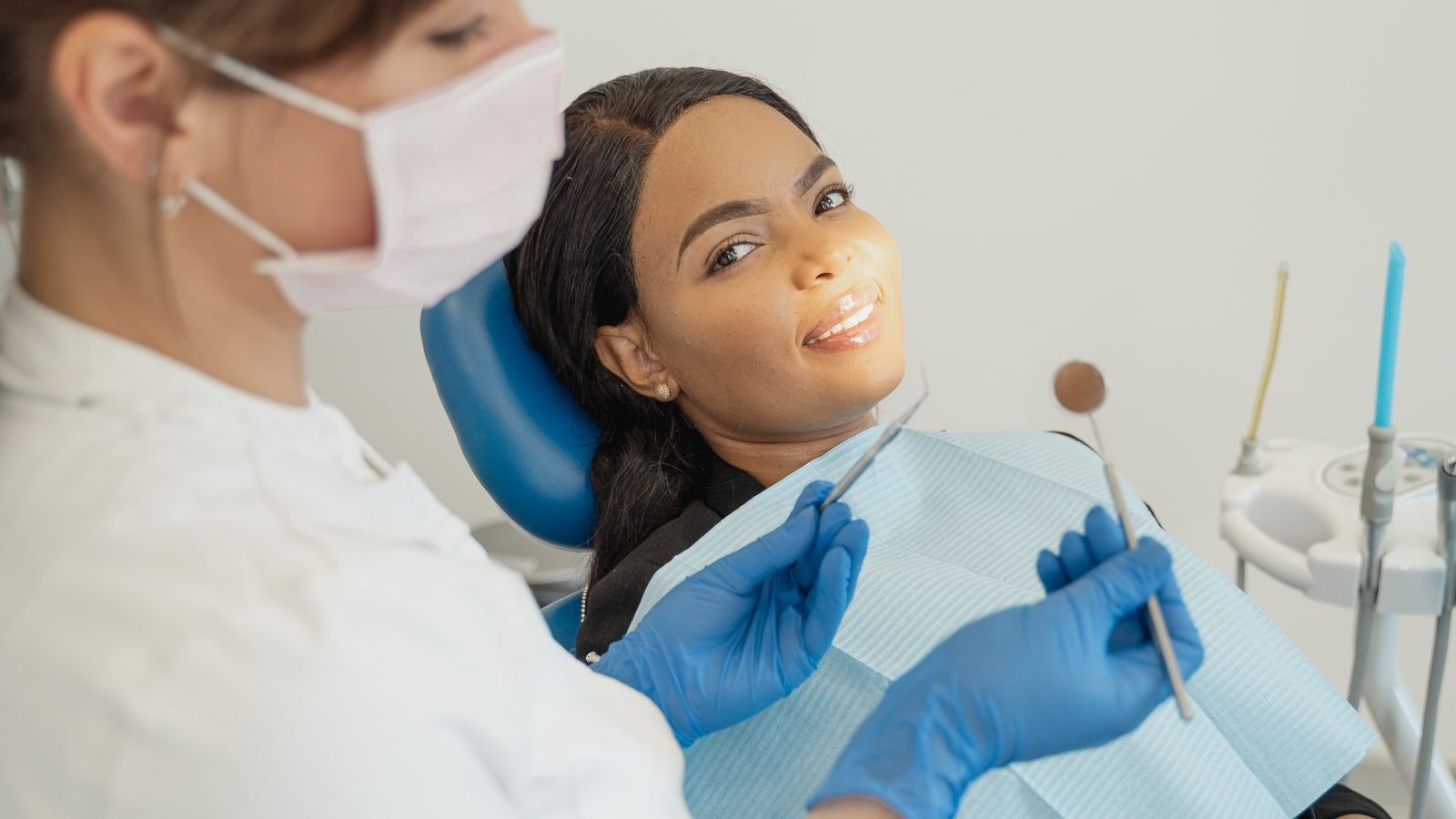
Healthcare digital marketing in India works when you build around patient questions: a complete Google Business Profile, treatment pages that explain procedures and costs honestly, genuine reviews, and WhatsApp follow-ups with consent. Stay inside the MCI ethics code and the Drugs and Magic Remedies Act, and avoid cure claims entirely.

Healthcare Marketing in India: Getting Patients Online, Ethically
A patient with tooth pain at 11 pm doesn’t ask a neighbour for a dentist. They search. What shows up in those 30 seconds decides which clinic gets the call in the morning.
That’s the opportunity. The catch: healthcare is one of the few industries in India where marketing is genuinely regulated. A careless campaign risks more than wasted budget. It can end in a complaint to the state medical council.
The good news: everything patients actually want from you online (clear information and easy booking) is completely legal. Here’s how to do healthcare digital marketing without crossing a line.
Know the rules before you spend a rupee
4 sets of rules cover most of what clinics and hospitals publish:
| Rule | What it means for your marketing |
|---|---|
| MCI Code of Ethics Regulations, 2002 | Individual doctors can’t solicit patients. Factual information (name, qualifications, specialty, timings, fees) is allowed. |
| Drugs and Magic Remedies Act, 1954 | Ads claiming to cure listed conditions (diabetes, epilepsy, cancer and dozens more) are illegal. So is “guaranteed cure” language for anything. |
| ASCI healthcare guidelines | Claims need evidence. Misleading before/after imagery and superlatives you can’t prove will get pulled up. |
| DPDP Act, 2023 | Patient data is personal data. You need consent before using it for marketing, including WhatsApp lists and remarketing audiences. |
Notice the asymmetry: an individual doctor promoting himself is tightly restricted, while a hospital or clinic promoting its services has more room. That’s why most healthcare marketing in India runs under the institution’s name, with doctors presented factually on profile pages.
Google Business Profile does the heaviest lifting
Most clinic discovery is a “specialty near me” search, and the map pack answers it. A complete profile beats a bigger ad budget here.
Get the basics airtight: the most specific category (Dental clinic, and Orthodontist too, instead of just Doctor), accurate timings including lunch closures, every location with its own profile, and photos of the facility and equipment. Never post photos with patients visible unless you have signed consent.
One habit separates careful clinics from careless ones: review replies that respect confidentiality. “Thank you for the kind words” is safe. “Glad your root canal went well” confirms a treatment in public, and that’s a breach.
Build pages around the questions patients actually type
Before booking, patients search symptoms, procedure names, costs, and recovery times. Most hospital websites answer none of it, so the traffic goes to health portals instead.
Build 1 page per treatment: what the procedure is, who needs it, how long recovery takes, and what it typically costs. Publishing honest price ranges feels risky. It also filters out the calls that were never going to book, and it’s exactly what patients compare hospitals on.
Add doctor profile pages with qualifications, registration number, languages spoken, and a real photo. That’s factual information, so it sits comfortably inside the MCI rules, and it’s the page patients check before they commit.
This is slow, unglamorous work. It’s also the core of SEO for healthcare, because Google holds medical content to a higher quality bar than almost any other topic. If writing 20 treatment pages sounds like a year of Sundays, that’s the sort of job a content marketing retainer exists for.
Ads work, with guardrails
India’s digital ad spend grew 19% to Rs 71,621 crore in 2025, per the dentsu-e4m Digital Advertising Report 2026. Corporate hospital chains are a visible chunk of that money, and they’re bidding on your city’s procedure searches right now.
Google Ads suits high-intent queries: “knee replacement cost hyderabad”, “child specialist near me open now”. 2 things to know before you start:
- Google’s healthcare policies block remarketing based on health conditions and restrict some treatment and drug terms. Build campaigns on search intent rather than audience lists.
- Waste hides in broad match. Add negative keywords for jobs, courses, “free”, and government schemes on day 1.
Track calls and form fills, then judge the account on cost per booked appointment. Clicks flatter everyone.
Meta ads are trickier for treatments (condition-based targeting is restricted there too) but they do well for health camps, preventive checkup packages, and keeping the hospital brand familiar in its own catchment.
Reviews are the strongest asset, so earn them cleanly
A clinic with 400 honest reviews at 4.3 stars will usually out-earn a clinic with 40 reviews at 4.9. Volume signals a real patient flow, and patients read the recent ones, including how you reply.
Ask every satisfied patient at discharge or on the follow-up call, with a direct review link sent over WhatsApp. Never pay for reviews and never offer discounts for them; both break Google’s policies and ASCI’s code, and patients can smell a bought review anyway.
Got a harsh review? Reply once, calmly, offer a phone number, and take it offline. And again: no treatment details in public replies, ever.
WhatsApp: run it like a nurse’s station
Appointment confirmations, pre-surgery instructions, post-op check-ins, vaccination reminders. These messages get read because they’re useful, and they quietly cut no-shows.
Promotional broadcasts to people who never opted in get you blocked and reported. Under the DPDP Act, consent for marketing messages is a legal requirement, so collect it at registration with a clear checkbox. We wrote a full playbook in our WhatsApp marketing guide.
The 6 things that get clinics in trouble
- “Guaranteed cure” or “100% success rate” anywhere, including Instagram captions.
- Before/after photos without written, signed patient consent.
- Fake, paid, or incentivized reviews.
- Bought patient databases used for cold outreach.
- Testimonial videos where a patient names their condition without a consent form on file.
- “Best hospital in Hyderabad” and other superlatives you can’t substantiate.
Keep a record of everything your agency publishes on your behalf. If something illegal goes live, the council complaint lands on the doctor’s desk. Agencies walk away.
A 90-day starting plan
Days 1 to 15: claim and complete the Google Business Profile for every location, fix website basics (mobile speed, click-to-call, doctor pages), and set up call tracking.
Days 16 to 45: publish your first 8 to 10 treatment pages with honest price ranges, start the review-request routine at discharge, and add WhatsApp consent to the registration form.
Days 46 to 90: launch a small search campaign on your 2 highest-margin services, review cost per booked appointment monthly, and cut whatever fails to convert.
The sequencing matters. Ads pointed at a weak website burn money. The same ads pointed at fast pages with reviews and clear pricing book appointments.
Where The Pixel Mark fits
We build healthcare marketing that would survive both a Google audit and a medical council review: local SEO, treatment content, compliant ad campaigns, and WhatsApp systems with consent built in from day 1.
If you run a clinic, hospital, or diagnostic centre and want more patients finding you online without the regulatory risk, get in touch. And if you’re a Hyderabad clinic or hospital, see exactly how we help on our healthcare digital marketing agency in Hyderabad page. We’ll tell you honestly what’s worth fixing first.